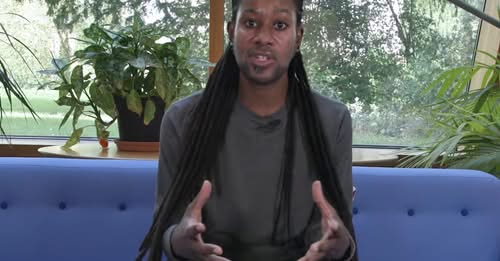
Jason Arday Dies at 41: Former Cambridge Professor Found Dead at London Home Amid Academic Controversy
Jason Arday Dies at 41-The academic community is mourning the death of Jason Arday, the former University of Cambridge professor who was found dead at his home in Battersea, south London, at the age of 41.
Arday’s death was reported on August 14, 2026, following a turbulent period in which he faced significant public scrutiny over allegations concerning aspects of his academic work and professional record.
The Metropolitan Police described his death as unexpected but said it was not being treated as suspicious. The circumstances surrounding his passing remain under investigation, with a report expected to be prepared for the coroner.
His death came shortly after he resigned from the University of Cambridge while questions surrounding his academic record were still being examined.
What Happened to Jason Arday?
Jason Arday was reportedly found dead at his residence in Battersea, south London.
He was 41.
Police have said the death was unexpected, but investigators are not treating it as suspicious based on the information currently available.
A formal cause of death has not been established in the information provided, and the matter is expected to be considered by the coroner.
His passing occurred during an exceptionally difficult period in his professional life, following weeks of public attention surrounding allegations about his academic work and career.
However, no conclusion should be drawn connecting that controversy to the circumstances of his death.
Jason Arday’s Cause of Death
An official cause of death for Jason Arday has not been publicly confirmed.
While police are investigating the circumstances, they have reportedly indicated that there is no evidence at this stage suggesting suspicious circumstances.
A coroner’s examination is expected to provide greater clarity.
Until those findings become available, speculation concerning exactly how or why Arday died should be avoided.
Who Was Jason Arday?
Jason Arday was a British academic whose work focused significantly on race, inequality and education.
His career attracted national and international attention, particularly because of the obstacles he had described overcoming earlier in his life.
Arday eventually reached one of the highest levels of British academia, securing a professorship at the University of Cambridge in 2023.
His appointment was widely celebrated and positioned him as a prominent voice in discussions surrounding educational inequality and representation within universities.
Historic Appointment at the University of Cambridge
Arday made history when he became the youngest Black professor appointed at Cambridge.
The achievement brought considerable attention to his personal and professional story.
His appointment also carried broader symbolic importance for those advocating greater representation within British higher education.
Arday’s work and public profile placed him at the center of conversations concerning diversity, access to education and the experiences of Black academics within major institutions.
For several years, that story represented one of the defining elements of his public identity.
Academic Allegations and Growing Scrutiny
In the period before his death, Arday became the subject of intense scrutiny concerning his academic record.
Questions were raised about his 2015 doctoral thesis, academic publications and certain descriptions of his professional and personal achievements.
Some journalists and investigators alleged that portions of his doctoral work closely resembled previously published academic material.
Other questions concerned claims associated with academic appointments and accomplishments attributed to him.
The allegations generated considerable discussion within academic circles and beyond.
Jason Arday Denied Plagiarism Allegations
Arday denied allegations of plagiarism and challenged other claims concerning his record.
Cambridge initially defended him before subsequently reviewing aspects of his academic credentials and appointment.
The controversy remained unresolved when Arday resigned from the university in August 2026.
Because the relevant investigations had not reached final conclusions before his death, the allegations should not be presented as proven findings.
His death means that the controversy surrounding his academic work must continue to be discussed with particular care, distinguishing allegations from established evidence.
Resignation From Cambridge
Arday resigned from Cambridge during the period of heightened scrutiny.
His departure came while questions concerning aspects of his academic history were still being examined.
The resignation marked a dramatic change for someone whose Cambridge appointment only a few years earlier had been widely celebrated as a historic achievement.
His final weeks consequently became dominated by discussion of the allegations rather than the academic work and advocacy that had previously shaped much of his public reputation.
Family Raises Concerns About Harassment and Misinformation
Following Arday’s death, his family reportedly spoke about the intense pressure he had experienced.
They described him as having faced what they considered a prolonged period of misinformation and harassment.
Friends and colleagues have also reportedly raised concerns about the emotional impact of the public attention surrounding the controversy.
Those concerns have contributed to a broader conversation about how allegations of professional misconduct should be investigated and reported.
Academic integrity requires legitimate allegations to be examined carefully, but individuals facing accusations are also entitled to fairness, dignity and an appropriate investigative process.
Wider Debate Over Academic Accountability
Arday’s case has raised difficult questions extending beyond one individual.
Universities have a responsibility to verify qualifications, investigate potential misconduct and protect the integrity of academic research.
At the same time, institutions must consider how investigations are conducted and how staff members are treated before conclusions have been reached.
The controversy surrounding Arday has consequently touched on broader debates involving academic accountability, institutional responsibility, media scrutiny and representation within higher education.
These issues are unlikely to disappear simply because the individual at the center of the controversy has died.
Remembering Jason Arday’s Academic Career
Before the controversy surrounding his academic record, Arday had become widely recognized for his work concerning race, education and inequality.
His rise to Cambridge attracted attention from people who viewed his career as an example of changing representation within elite British universities.
His work contributed to discussions about barriers within education and the experiences of underrepresented groups.
Whatever conclusions may ultimately be reached concerning unresolved questions about his academic record, those discussions formed an important part of his public career.
An Unresolved and Complicated Legacy
Jason Arday leaves behind a complicated public legacy.
His Cambridge appointment represented a significant moment within British academia, while his later career became overshadowed by serious allegations that remained unresolved when he died.
Both aspects of his story can be acknowledged without presenting unproven allegations as fact or ignoring legitimate questions that had been raised.
His death also leaves universities with broader issues to consider regarding credential verification, academic misconduct investigations and the treatment of individuals subjected to intense public scrutiny.
Final Tribute
Jason Arday died at the age of 41 after being found at his home in Battersea, south London.
His death came during an extraordinarily difficult period in which the former Cambridge professor faced intense scrutiny concerning allegations about his academic work and professional history.
Arday denied plagiarism allegations, while investigations surrounding aspects of his academic record had not reached final conclusions before his death.
Police have described his passing as unexpected but not suspicious, while the circumstances remain subject to the appropriate investigative and coronial processes.
Beyond the controversy of his final weeks, Arday will also be remembered as an academic who reached one of Britain’s most prestigious universities and became a prominent voice in discussions surrounding race, inequality, representation and education.
For his family, friends, colleagues and those who knew him personally, his death represents the loss of a person whose life extended far beyond the public debate that surrounded his final weeks.
Disclaimer
This article is based on information available at the time of publication. The official cause and circumstances of Jason Arday’s death have not been fully established, although police have said the death is not being treated as suspicious. Allegations concerning plagiarism, academic credentials and other aspects of his professional record remained disputed and unresolved at the time of his death and should not be presented as proven findings. Information may be updated as additional verified details become available.